Last updated:
Disease groups:
Chickenpox is a highly contagious viral infection. It causes an itchy rash and flu-like symptoms. It can be serious. Getting vaccinated is the best protection. We monitor and report on chickenpox in our community, including national case numbers and trends.
Chickenpox is a highly contagious infection caused by the varicella-zoster virus.
Most people with chickenpox have mild symptoms and recover quickly. But it can be severe, especially for people in some groups.
After a person has chickenpox, the virus stays in the nerve cells of the body but is not active. It can reactivate later in life as shingles.
Vaccination is the best way to prevent chickenpox. Chickenpox vaccination also helps prevent shingles later in life.
Before chickenpox vaccination was added to the National Immunisation Program in 2005, chickenpox was so common in Australia that almost everyone had it as a child.
Chickenpox caused thousands of hospitalisations and some deaths every year.
Since 2005, hospitalisations due to chickenpox have reduced in Australia, and deaths due to chickenpox are extremely rare.
But between 2,000 and 3,000 people are still diagnosed with chickenpox each year.
Because of this, we monitor and report on chickenpox infections in Australia.
If you’re looking for advice about your own health or treatment options, see healthdirect or speak with a qualified healthcare professional. Our role is to provide public health advice – information and guidance that helps prevent disease, protect communities and improve wellbeing at a population level.
Common symptoms include:
Complications can include:
Very rarely, chickenpox can cause serious complications such as:
If pregnant people get chickenpox, it can cause serious complications for the baby, including:
Read more about the symptoms, diagnosis and treatment of chickenpox.
healthdirect’s symptom checker can help you decide whether to see a health professional.
Symptoms usually start about 2 weeks after getting infected. This can range from 10 to 21 days.
The virus that causes chickenpox can spread through:
People can also get chickenpox from someone with shingles though direct contact with the fluid in the blisters.
People who have had chickenpox are not likely to get chickenpox again. But they may develop shingles later in life.
Shingles occurs when the varicella-zoster virus – the same virus that causes chickenpox – reactivates.
People are infectious from 1 or 2 days before the rash appears until all the blisters have crusted over. This usually takes about 5 days.
The chickenpox vaccine is recommended for:
People who can become pregnant and are not immune to chickenpox should be vaccinated before pregnancy.
Eligible people can get chickenpox vaccines for free under the National Immunisation Program or state or territory programs. If you are not eligible for a free vaccine, you can buy one from your healthcare professional or pharmacy.
Chickenpox vaccination should not be given to:
People who are not immune to chickenpox should avoid contact with anyone who has chickenpox, if they can.
They should also avoid contact with shingles blisters.
This is especially important for people at greater risk of severe disease.
People who are pregnant, immunocompromised or newborn babies should see a healthcare professional immediately if they have been around someone with chickenpox or shingles.
The healthcare professional might recommend antibodies, called immunoglobulin, to reduce their risk of infection and serious illness.
People with chickenpox should:
Some people are at greater risk of getting chickenpox or getting very sick from it.
If you are at greater risk, it is especially important to:
Chickenpox poses a greater risk of severe illness for people who are not immune to chickenpox, especially:
People who live or work with someone who has chickenpox are most at risk of getting infected.
Chickenpox can spread quickly in households and crowded places. People are at greater risk of being exposed to chickenpox in settings such as:
If you think you or someone you care for might have chickenpox, call ahead before visiting your healthcare professional. They might take extra steps to protect others.
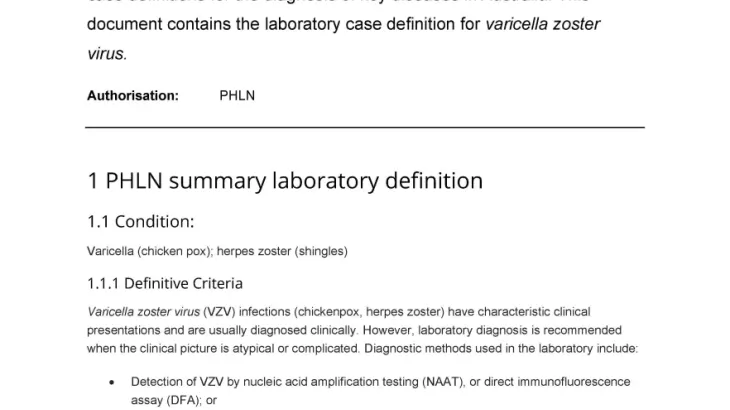
Chickenpox can often be diagnosed by a healthcare professional based on symptoms and clinical examination.
In some cases, fluid from the blisters is collected for laboratory testing to confirm it’s chickenpox.
You can use healthdirect's directory to find a health service near you.
In most people, chickenpox gets better by itself.
Treatment usually focuses on symptom relief and sometimes antiviral treatment.
Read more about how to manage or treat chickenpox.
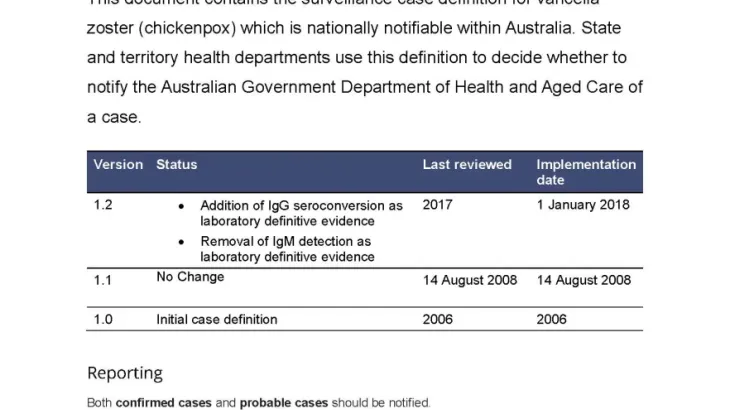
Chickenpox is a nationally notifiable disease – these are diseases that present a risk to public health.
Some state and territory health authorities report new laboratory confirmed and probable cases to us daily through the National Notifiable Diseases Surveillance System.
This is part of our surveillance activities, which help us monitor case numbers around the country, understand disease patterns and identify outbreaks.
We analyse the data and report on case numbers and other data through our data visualisation tool, where you can filter and search the latest information.
State and territory health departments might provide guidance and support for managing outbreaks in certain settings.
This can include providing education about ways to prevent severe disease in people who have been exposed.
Read more about how the Australian Government defines and plans for outbreaks.
For information about chickenpox in your state or territory, see:
If you need mental health support, see a list of organisations, websites and services that offer support, counselling and information.