Last updated:
Disease groups:
Dengue is caused by a virus that spreads to people through bites from infected mosquitoes. Preventing mosquito bites is the best protection. We support national monitoring of dengue. We provide guidelines to minimise the risk.
Dengue, also called dengue fever, is caused by the dengue virus. It is spread by infected mosquitoes.
Infection with dengue virus can cause an illness ranging from mild symptoms to serious disease (such as dengue haemorrhagic fever or dengue shock syndrome). In some cases, it can cause death.
The dengue virus has 4 different types.
People who have had dengue before can get infected again.
A second infection with a different type increases the risk of severe dengue, so preventing mosquito bites is especially important for people who have had dengue before.
Dengue is not endemic to Australia, but it is a major global health concern, with millions of infections diagnosed every year around the world.
There is no specific treatment for dengue.
Although dengue does not usually occur in Australia, outbreaks have occurred in northern and central Queensland and the Torres Strait, which have the type of mosquito that spreads dengue.
Because of the risk of outbreaks, public health authorities in these areas carefully manage cases of dengue.
In 2024, there was an increase in dengue outbreaks in countries close to Australia, increasing the local risk.
Because of these major impacts, we:
If you’re looking for advice about your own health or treatment options, see healthdirect or speak with a qualified healthcare professional. Our role is to provide public health advice – information and guidance that helps prevent disease, protect communities and improve wellbeing at a population level.
Common symptoms include:
Most people who have dengue recover in about a week.
Symptoms of severe dengue include:
Read more about symptoms, diagnosis and treatment of dengue.
healthdirect’s symptom checker can help you decide whether to see a health professional.
Symptoms usually start between 4 and 7 days after an infected mosquito bite. This can range from 3 to 14 days.
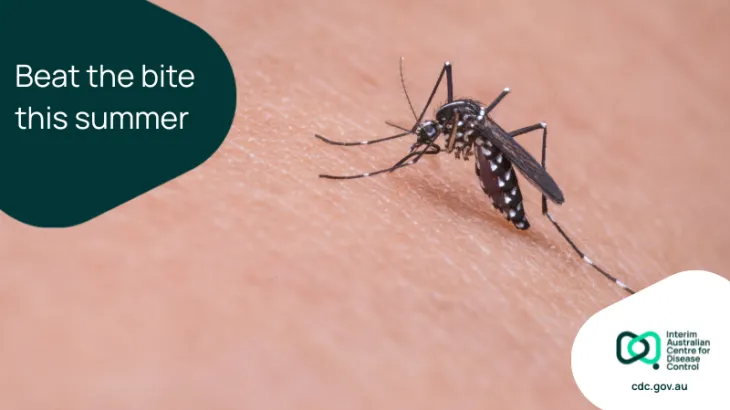
Dengue spreads through the bite of certain types of mosquitoes after they have fed on an infected person.
The mosquitoes that spread dengue usually bite during the day. They are found in urban and residential areas and breed in containers of water like buckets and flowerpots.
Dengue does not transmit directly from person to person.
Rarely, dengue can spread through infected blood, such as:
A person with dengue can spread the virus to mosquitoes from just before symptoms start and until symptoms end.
If you live in or are travelling to an area where dengue occurs, the best protection is to prevent mosquito bites.
There is no vaccine to prevent against first-time dengue infections available in Australia.
If you have had dengue before, there are very specific circumstances where the dengue vaccine may be considered – speak to your healthcare professional.
Some people are at greater risk of getting dengue or getting very sick from it.
If you are at greater risk, it is especially important to take steps to protect yourself.
Dengue poses a greater risk of severe illness for people who have had dengue before.
Most children who are infected with dengue virus experience no or mild symptoms.
But, of those who do experience more severe disease, children and young adults are more likely to develop:
People are more likely to be exposed to dengue if they live in or are travelling to an area where dengue is common. This includes parts of:
Dengue is usually diagnosed through:
Spinal fluid (lumbar puncture) and urine tests are sometimes required to diagnose dengue.
You can use healthdirect’s directory to find a health service near you.
There is no specific treatment for dengue.
If you have dengue, do not take anti-inflammatory medicines – like aspirin or ibuprofen – as they increase the risk of bleeding.
If you have serious symptoms, you will need to be cared for in hospital.
Read more about how to manage or treat dengue.
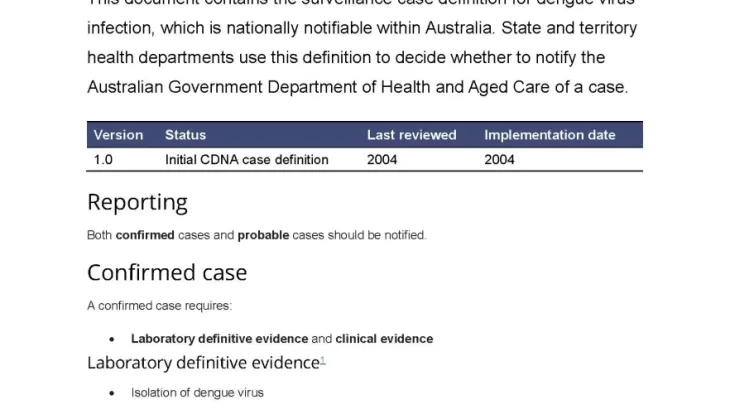
Dengue is a nationally notifiable disease – these are diseases that present a risk to public health.
Health authorities in each state and territory report new confirmed and probable cases to us through the National Notifiable Diseases Surveillance System.
This is part of national surveillance activities to monitor case numbers around the country and understand disease patterns.
Public health authorities take a One Health approach to surveillance of dengue virus. In addition to human disease surveillance, relevant government departments help monitor dengue virus in mosquitoes and the environment.
We analyse the data and publish case numbers and other data through our data visualisation tool, where you can filter and search the latest information.
Any dengue infection acquired in Australia is considered an outbreak.
Dengue outbreaks in Australia are usually triggered by travellers who have returned from countries infected with dengue virus, and infect mosquitoes when they get bitten. Those mosquitoes can then bite other people and spread the infection.
How public health agencies respond to dengue cases and outbreaks depends on:
Control measures might include:
For information about dengue in your state or territory, see:
If you need mental health support, see a list of organisations, websites and services that offer support, counselling and information.
For travel advice, see Smartraveller.