Last updated:
Disease groups:
Ross River virus spreads to people through the bites of infected mosquitoes. Symptoms of Ross River virus may last for many months. Preventing mosquito bites is the best protection. We support national monitoring of Ross River virus.
Ross River virus infection (also called Ross River fever) is a mosquito-borne disease.
The types of mosquitoes that carry Ross River virus and cause outbreaks are found across Australia.
It mainly affects the muscles and joints.
Most people recover within a few days or weeks, but some people have joint pain and tiredness lasting up to a year. It rarely causes serious illness.
Ross River virus infection is a common and widespread mosquito-borne disease in Australia.
There is no specific treatment or vaccine.
For some people, it can take many months or up to a year to recover from the infection and ongoing fatigue.
The illness might affect people’s ability to work and can greatly impact their quality of life.
Because of these major impacts, we:
If you’re looking for advice about your own health or treatment options, see healthdirect or speak with a qualified healthcare professional. Our role is to provide public health advice – information and guidance that helps prevent disease, protect communities and improve wellbeing at a population level.
Up to 6 in 10 adults with Ross River virus infection have no symptoms. Children rarely have symptoms.
For those who do develop symptoms, these can vary.
Common symptoms include:
Most people with symptoms will recover within 3 to 6 months. Some people might experience persistent symptoms, such as tiredness and joint pain, for more than 6 months.
healthdirect’s symptom checker can help you decide whether to see a health professional.
Symptoms usually start between 7 and 9 days after an infected mosquito bites a person. But this can range from 3 to 21 days.
Ross River virus is spread through bites of mosquitoes after they have fed on an infected animal.
The spread of Ross River virus is complex and is dependent on the types of mosquitoes and animals that are found in an area. It is also affected by the local climate and weather, and the presence of water bodies.
Many types of animals can be infected, but marsupials, such as kangaroos or wallabies, are the main hosts.
Ross River virus can’t spread directly between people, but it can spread from people to mosquitoes.
People who have had Ross River virus infection aren’t likely to get infected again.
Ross River virus does not spread between people.
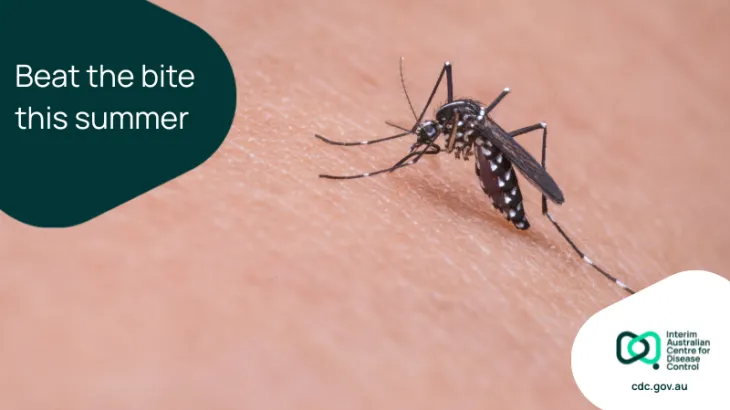
The best protection against Ross River virus is to prevent mosquito bites. There is no vaccine available.
People who regularly spend a lot of time outdoors are most at risk. It is important to take steps to prevent mosquito bites.
Adults are more likely to develop symptoms than children.
Anyone with Ross River virus infection can have prolonged symptoms.
But this may be more likely in people with other conditions, such as rheumatological (muscle and joint) conditions.
People are at increased risk of being exposed to Ross River virus if they:
People in urban and regional areas may be at risk of Ross River virus infection.
Healthcare professionals can diagnose Ross River virus infection through blood tests.
You can use healthdirect’s directory to find a health service near you.
There is no specific treatment for Ross River virus infection. Most people recover with supportive care.
People occasionally need hospital care if they develop more serious, complications.
Read more about how to manage or treat Ross River virus infection.
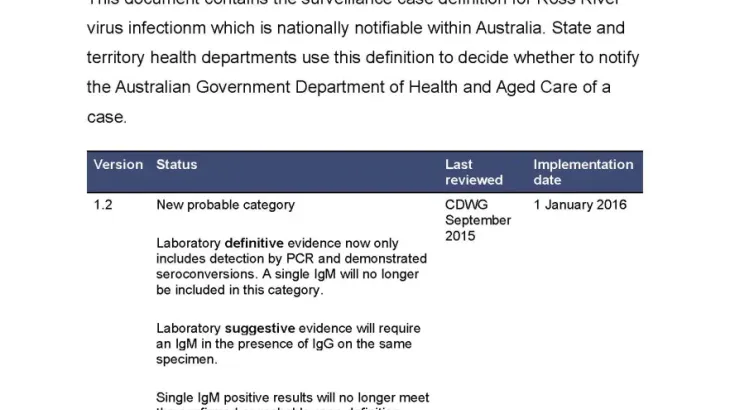
Ross River virus infection is a nationally notifiable disease – these are diseases that present a risk to public health.
Health authorities in each state and territory report new laboratory confirmed or probable cases to us through the National Notifiable Diseases Surveillance System.
This is part of national surveillance activities to monitor case numbers around the country and understand disease patterns.
Public health authorities take a One Health approach to the surveillance of Ross River virus. In addition to human disease surveillance, relevant government departments help monitor Ross River virus in mosquitoes and animals.
We analyse the data and publish case numbers and other data through our data visualisation tool, where you can filter and search the latest information.
Ross River virus infection outbreaks are more common after heavy rain and high tides.
Flooding around inland waterways, coastal wetlands and salt marshes can also create ideal conditions for mosquitoes to breed.
Outbreaks require a One Health response. Control measures used during outbreaks focus on humans, animals and the environment, and might include:
For information about Ross River virus infection in your state or territory, see:
If you need mental health support, see a list of organisations, websites and services that offer support, counselling and information.
For travel advice, see Smartraveller.