

Last updated:
Filter results
You can narrow down the results using the filters
Disease
117 results
Search results
-
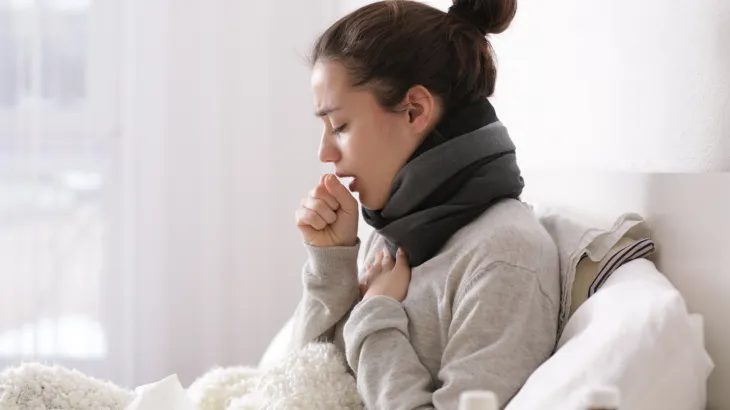
Protect yourself from respiratory infections
Respiratory viral infections – including flu, COVID-19 and respiratory syncytial virus (RSV) – continue to circulate this winter. Although we’re nearing the end of winter, it’s not too late to protect yourself against these potentially serious illnesses. -

Highlights from the 2025 One Health Symposium
Catch up on the action from last week's event in our highlights video. -

New platform for journal of communicable disease
Communicable Diseases Intelligence (CDI) has moved to a new, open access platform, bringing 2,650 surveillance reports and research articles along. -
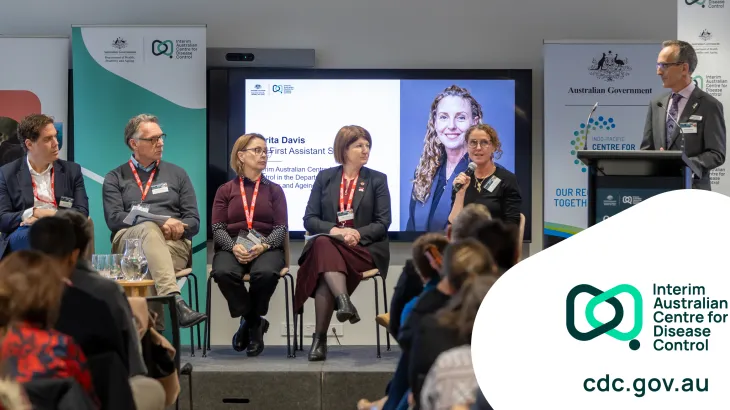
Human, animal, plant and environmental health leaders unite at the 2025 One Health Symposium
Catch up on insights from the first day of the event. -
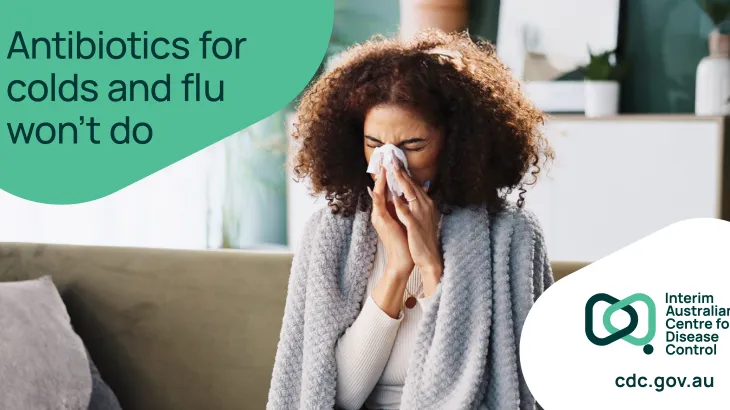
Antibiotics won’t do for colds and flu
Getting that tickle in your throat, those telling shivers or that annoying blocked nose never sparks joy. But if you get a viral respiratory infection, like a cold or the flu, remember – antibiotics are not the answer. -
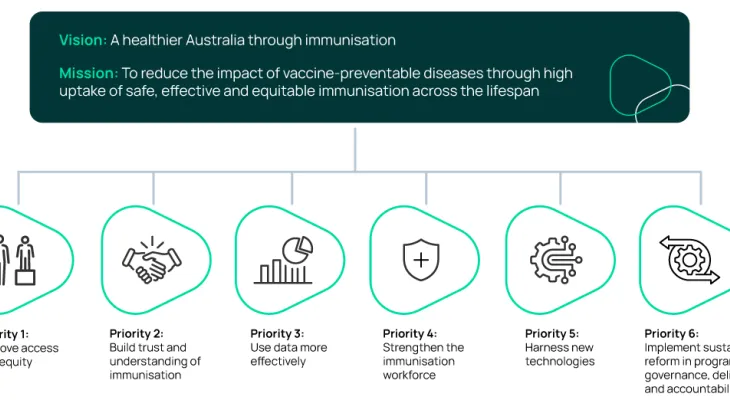
A new National Immunisation Strategy for a healthier Australia
The Australian Government has released its new National Immunisation Strategy to guide Australia’s fight against vaccine-preventable diseases over the next 5 years. -

Winter wellness – Easy ways to improve your indoor air quality this season
Be aware this winter of the effects of poor indoor air quality, and take simple steps to improve the quality of air in your home. -
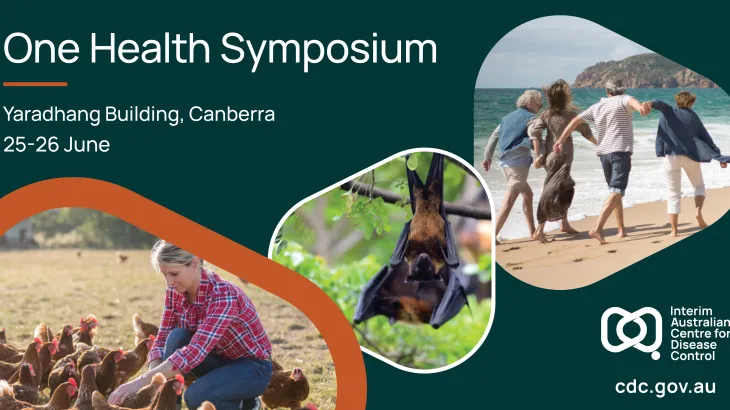
One Health Symposium 2025
From pandemic preparedness to climate resilience, the One Health Symposium will advance cross-sector collaboration on human, animal, plant and environmental health. -
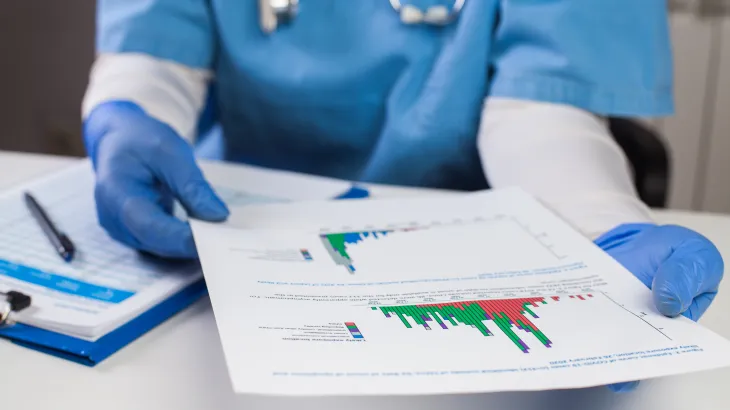
Ready to respond – how data helps us prepare for disease threats
Flu season has begun. While flu cases are elevated, they remain lower than flu cases at the same time in previous years. There is no cause for concern. We track data for the flu and 69 other diseases to help us understand, predict and prepare for disease threats so we can respond if needed. -
Interim Australian CDC to present at the 2025 Communicable Disease and Immunisation Conference
We’re presenting at the Public Health Association of Australia 2025 Communicable Disease and Immunisation Conference (CDIC) in Adelaide. Join us later this month to learn more about communicable disease management and surveillance from experts around Australia. -
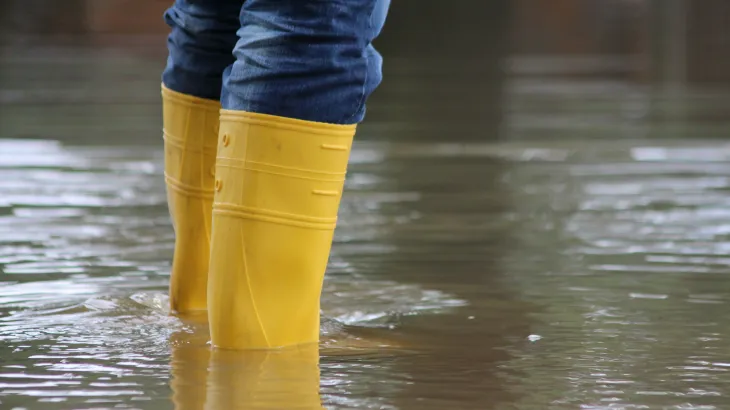
Look after yourself as floodwaters recede
As floodwaters recede in New South Wales, look after yourself – both physically and emotionally. Floods increase the risk of infections, mosquito-borne illnesses, and food and water contamination. Finding medicines can be harder, and the mental health toll, significant. Support is available. -
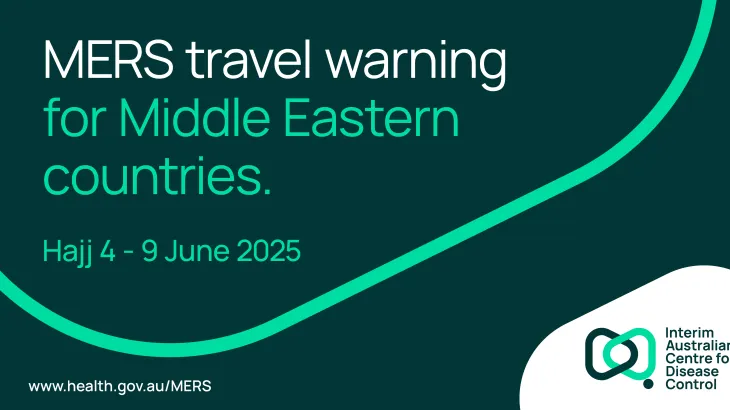
Travelling to the Middle East? Be aware of MERS
Middle East Respiratory Syndrome – or MERS – is a rare but severe disease that causes difficulty in breathing, and in extreme cases, death. It is spread from camels, their products or infected people to other people. -

First mpox clade Ib confirmed in Australia
The first case of mpox clade Ib in Australia is a timely reminder to at-risk population groups to get vaccinated. The risk of community transmission from this case is low. However, the Australian Government is monitoring the situation. -

Webinar: Bats and climate change and their role in urban ecology – what can we learn from them?
We’re teaming up with the CSIRO to host the fifth webinar in the One Health Wonders series. Join us on 13 May 2025 to learn about bats in our changing environment. -

Dealing with disease – endemic or epidemic?
Let’s unpick some of the technical language around disease – explaining the difference between endemic, epidemic and pandemic. -
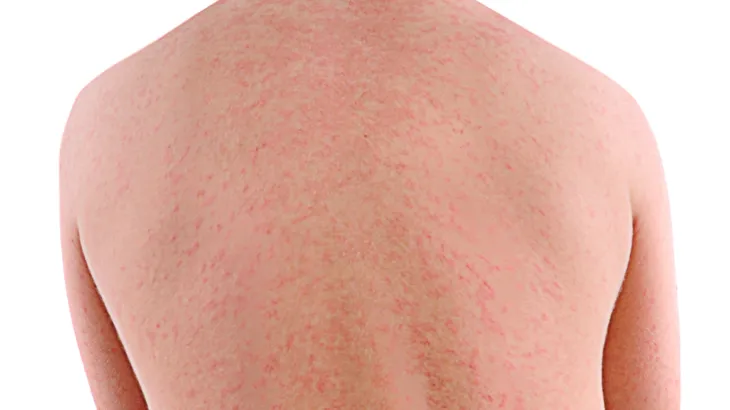
Check your measles protection
All Australians should be aware of the danger of measles to people of all ages and what steps you can take to protect you and your loved ones. -

On the move? Keep your family safe these school holidays
Social gatherings and travel can contribute to the spread of disease during holiday times. Get informed and reduce your risk of infectious illness. -
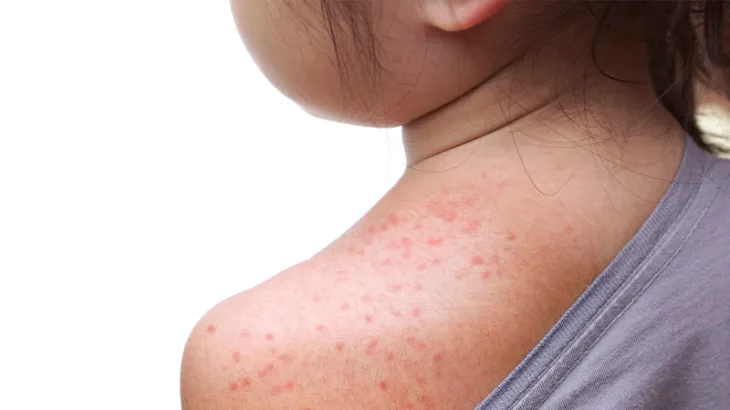
Measles in Australia and our strong vaccination record
Read a statement from the Australian Government Chief Medical Officer Professor Anthony Lawler about measles in Australia. -

First Annual Australian Respiratory Surveillance Report out now
The 2024 Annual Australian Respiratory Surveillance Report is now available. This is the first national annual reporting of COVID-19, respiratory syncytial virus (RSV) and other acute respiratory infections in Australia. -

Ex-Tropical Cyclone Alfred recovery
Health risks in the aftermath of Ex-Tropical Cyclone Alfred in Queensland and New South Wales remain serious. These include infections, difficulty getting medicines, contaminated food or water, and mosquito-borne illnesses. Take care of yourself and loved ones. Support is available. -

Caring for your health during Cyclone Alfred in Qld and NSW
Protect your health and the people around you during the Cyclone Alfred emergency. Plan ahead and take simple steps to prepare. -
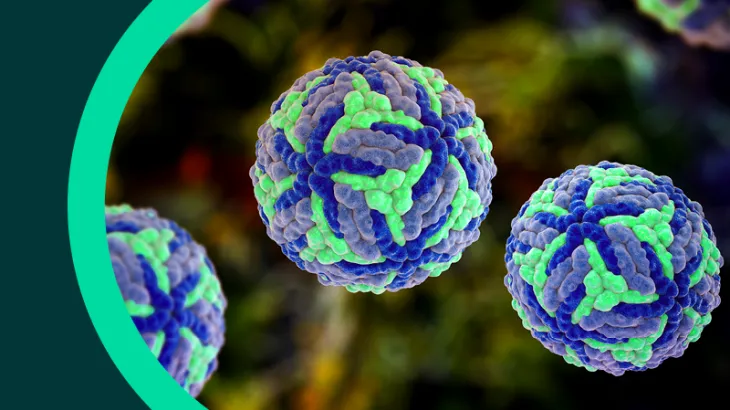
Protect yourself from Japanese encephalitis virus
With recent increases in Japanese encephalitis virus infections, we urge Australians to be aware of their risk and take steps to protect themselves. -

One Health collaboration counters the threat of zoonotic diseases
Today is World Zoonoses Day, and Australia continues to invest in One Health approaches to combat the emergence and spread of zoonoses – diseases that can spread from animals to humans. -

Human case of bird flu in Victoria
A statement by the Head of the interim Australian Centre for Disease Control Professor Paul Kelly. -

Whooping cough still lingers
Whooping cough is circulating in the community, with high numbers of infections being diagnosed across Australia. Vaccination is the best protection.