Last updated:
Disease groups:
Japanese encephalitis virus (JEV) spreads to humans and other animals through infected mosquitoes. Most people don’t get any symptoms. For the small number who do, it can cause severe illness or even death. The best protection is to avoid getting bitten by mosquitoes and getting vaccinated.
Japanese encephalitis is a rare but serious infection of the central nervous system. It is caused by the Japanese encephalitis virus (JEV) and is spread by mosquitoes.
For the vast majority of people, JEV infection is mild – only about 1% to 4% get any symptoms.
For those who get symptoms, it can be very serious and cause severe and permanent complications, or death.
Japanese encephalitis is a serious disease with no specific treatment.
As many as 1 in 3 people who develop encephalitis die from the disease. Of those who survive, up to half suffer permanent cognitive, behavioural or neurological complications.
Because of these major impacts, we:
If you’re looking for advice about your own health or treatment options, see healthdirect or speak with a qualified healthcare professional. Our role is to provide public health advice – information and guidance that helps prevent disease, protect communities and improve wellbeing at a population level.
Common early symptoms include:
Neurological symptoms might then develop over the following few days, including:
Read more about symptoms, diagnosis and treatment of Japanese encephalitis.
healthdirect’s symptom checker can help you decide whether to see a health professional.
Symptoms usually start between 5 and 15 days after an infected mosquito bite. This is known as the incubation period.
JEV is spread through bites of certain species of mosquitoes after they have become infected from feeding on infected waterbirds or pigs.
These mosquitoes are usually active:
The risks vary depending on location, season, weather and other local factors.
Humans cannot pass on the disease, as we do not develop high enough concentrations of JEV in our blood to infect mosquitoes.
JEV does not transmit from person to person.
Japanese encephalitis is vaccine preventable.
See who is eligible for free vaccination in your state or territory.
Routine JEV vaccination is recommended for:
States and territories may provide free vaccination to eligible people who live or regularly work in areas of high JEV concern.
Free vaccination may also be available for people outside those areas who:
Read more about Japanese encephalitis vaccination.
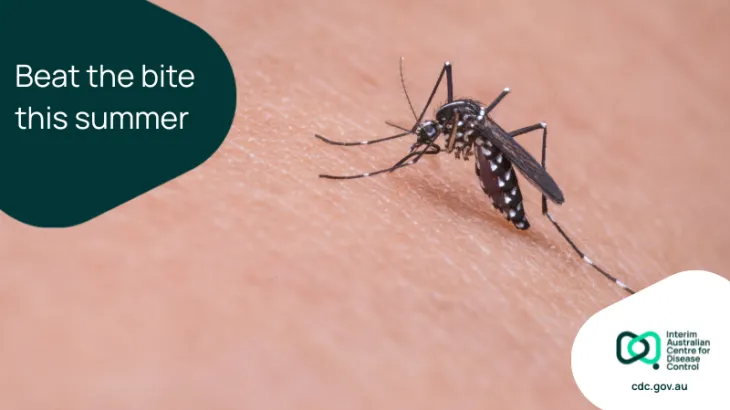
The best protection against JEV is to prevent mosquito bites.
Read more about preventing Japanese encephalitis.
People who work in certain settings – such as piggeries, pork abattoirs and pork rendering plants – are at greater risk of being exposed to infected mosquitoes.
If you are at greater risk, it is especially important to:
Anyone with JEV infection is at risk of severe disease, but those who might be at greater risk include:
You are at risk of exposure to JEV if you travel to, work or live in areas with JEV. You are more likely to be exposed if you:
Your health professional can diagnose JEV infection through tests that might include a:
You can use healthdirect’s directory to find a health service near you.
There is no specific treatment for JEV infection. If you have symptoms, you will likely need to be cared for in hospital.
Read more about diagnosing and managing JEV infection.
JEV infection is a nationally notifiable disease – these are diseases that present a risk to public health.
Health authorities in each state and territory report new laboratory confirmed cases to us through the National Notifiable Diseases Surveillance System.
This is part of national surveillance activities to monitor case numbers around the country and understand disease patterns.
Public health authorities take a One Health approach to the surveillance of JEV. In addition to human disease surveillance, relevant government departments help monitor JEV in mosquitoes and animals (including wildlife).
We analyse the data and publish case numbers through our data visualisation tool.
The joint national Japanese encephalitis virus outbreak response plan provides a framework for a national One Health response to manage a JEV outbreak.
Control measures used during outbreaks focus on humans, animals and the environment, and include:
See prevention posters, videos and other resources on protecting yourself from JEV.
For information in your state and territory, including whether you are eligible for vaccination, see:
For information on staying safe from JEV while travelling, see:
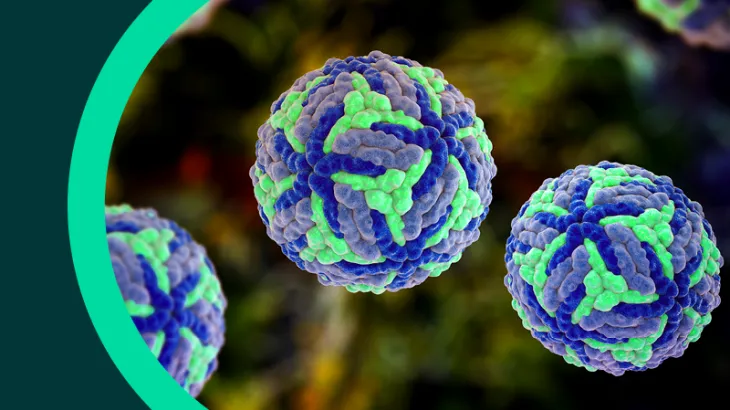
Japanese encephalitis virus (JEV) is a mosquito-borne flavivirus closely related to Murray Valley encephalitis virus and West Nile virus.
Most human infections are asymptomatic.
Estimates of the proportion of infected people who develop symptoms vary in different populations, ranging from less than 1% to up to 4%.[1]
Of those infected with JEV, less than 1% develop neuroinvasive disease.
The most recognised clinical presentation of JEV infection is acute encephalitis. Milder presentations include non-specific febrile illness with headache and aseptic meningitis.
Initial symptoms are non-specific and typically include:
Neurological manifestations might then develop over the following few days, including:
As many as 1 in 3 people who develop encephalitis die from the disease.
Of those who survive, up to half suffer permanent cognitive, behavioural or neurological complications.
Read about diagnosing JEV infection.
Japanese encephalitis is a serious, vaccine-preventable disease with no specific treatment.
JEV infection has a high rate of morbidity and mortality in people who develop encephalitis.
Because of these major impacts, we:
JEV infection is a major public health problem in many parts of Asia and the western Pacific.
In Australia, before 2021, occasional outbreaks occurred only in the Torres Strait and Cape York Peninsula.
During 2021 and 2022, an outbreak in south-eastern Australia resulted in 45 cases and 7 deaths.
JEV detections in feral pigs, mosquitoes and sentinel chickens show there is ongoing JEV transmission in animals in south-eastern Australia.
Studies using blood samples from people living in high-risk areas of Victoria and New South Wales have shown evidence of undetected spread to people.[2] [3]
The risk of JEV infection varies depending on location, season, weather and other local factors.
For the latest information on JEV infection cases in Australia, see the National Notifiable Diseases Surveillance System data visualisation tool.
JEV transmits through bites of infected mosquitoes after they have fed on infected waterbirds or pigs.
The primary host of JEV is believed to be wild birds, especially those in the Ardeidae family (including herons and egrets).
The main vector for JEV in Australia is Culex annulirostris, though several mosquito species are likely involved.
Culex annulirostris lives across Australia in permanent and semi-permanent freshwater bodies, usually in heavily vegetated sites.
Adult Culex annulirostris mosquitoes are active:
Humans are incidental and dead-end hosts – this means we cannot pass on the disease, as we do not develop high enough concentrations of JEV in our blood to infect mosquitoes.
JEV does not spread through:
Symptoms usually start between 5 and 15 days after a bite from an infected mosquito.
JEV does not transmit from person to person.
Anyone with JEV infection is at risk of severe disease.
Evidence about risk factors for severe disease is limited. Those who might be at greater risk include:
People are at risk of exposure to JEV if they travel to, work or live in areas with JEV.
People are more likely to be exposed if they:
High-risk settings include piggeries, pork abattoirs and pork rendering plants.
These settings should actively promote measures people can take to protect themselves, including to:
Read more about:
JEV infection is vaccine preventable.
Routine JEV vaccination is recommended for:
States and territories also provide free vaccination to eligible people who live or regularly work in areas of high JEV concern. Free vaccination may also be available for people outside those areas who:
See who is eligible in your state or territory:
Read more about JEV vaccination.
The best protection against JEV is to prevent mosquito bites.
The mosquitoes that spread JEV are most active at dawn or dusk so people should avoid areas of high mosquito activity, especially at these times.
JEV infection is usually diagnosed through laboratory nucleic acid amplification testing – most often using polymerase chain reaction (PCR). Samples of cerebrospinal fluid or blood are most often used.
Serology can also be used to diagnose JEV using a blood sample.
Laboratories need extensive experience in diagnostic testing for flaviviruses, as cross-reactivity with other flaviviruses is common in serological tests.
If JEV infection is part of a differential diagnosis, it’s important to specifically request JEV testing when referring patients to pathologists.
Read more about the diagnosis and treatment of Japanese encephalitis.
There is no specific antiviral treatment for JEV infection. Clinical management consists of supportive care.
People with suspected JEV infection are generally referred to hospital for management and further investigation.
JEV infection is a nationally notifiable disease. This means certain health professionals must report diagnoses through their relevant health authorities.
Check how to report laboratory-confirmed JEV infection cases or a related death in your state or territory:
State and territory health authorities report new cases to us through the National Notifiable Diseases Surveillance System, as part of our surveillance activities.
We take a One Health approach to the surveillance of JEV. As well as human disease surveillance, we work with government agencies for agriculture and the environment, to monitor JEV in mosquitoes and animals (including wildlife).
We report case numbers and activity through our data visualisation tool, where you can filter and search the latest information.
This helps us to:
The joint national JEV outbreak response plan provides a framework for nationally co-operative response arrangements for managing JEV.
Public health authorities adopt a One Health approach when responding to locally acquired JEV infection cases. This recognises the connections between humans, animals and the environment that contribute to JEV outbreaks.
Public health actions focus on:
Animal health authorities, industry workers, landowners and work health safety officers can help identify and manage any domestic or wild pigs near likely exposure sites.
Local councils may be involved in mosquito control measures – such as fogging and spraying of insecticides – when there are large numbers of mosquitoes. They may also provide mosquito warnings and signage in high-risk areas.
Environmental health officers undertake mosquito surveillance and determine the need for extra mosquito control measures.
Public health units urgently investigate human cases of JEV, with a focus on determining the likely source of the infection.
The person affected, their family and any other people who might have been exposed to the same source should be provided with information about JEV.
Human cases do not need to isolate.
Public health authorities provide information to people who might have been exposed about:
How public health agencies respond to JEV infection cases and outbreaks depends on:
Control measures used during outbreaks focus on humans, animals and the environment, and include:
For detailed guidance, see state and territory advice, including:
See guidelines for pig producers and horse owners to help protect animals from mosquito bites and reduce the risk of infection.
See:
For information relevant to your state or territory, see:
For information on staying safe from JEV while travelling, see: